



Featured Products
Revenue Cycle
- 2024 Revenue Integrity Symposium
- Your Price: $1,199.00
- Add to Cart
- Join us September 12, 2024 for the expert advice and analysis you need to maintain revenue integrity and prepare for the coming year. Stay up to date with CMS and other payers, earn CEUs, and connect with peers!
- Learn More...
Clinical Documentation Integrity

- Clinical Documentation Integrity Boot Camp®
- Your Price: $1,499.00
- Add to Cart
- Develop skills for CDI success based on the review of key coding guidelines and industry resources.
- Learn More...
Corporate Compliance

- The National Association of Healthcare Revenue Integrity (NAHRI)
- Your Price: $175.00
- Add to Cart
- The National Association of Healthcare Revenue Integrity (NAHRI) is dedicated to providing the hospital revenue integrity community with the resources, networking, and education needed to foster this growing profession.
- Learn More...
Clinical Documentation Integrity
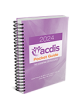
- 2024 ACDIS Pocket Guide
- Your Price: $165.00
- Add to Cart
- The new 2024 ACDIS Pocket Guide is your essential CDI resource with the latest guidance and best practices for CDI professionals.
- Learn More...
Clinical Documentation Integrity

- 1 Year ACDIS Membership
- Your Price: $185.00
- Add to Cart
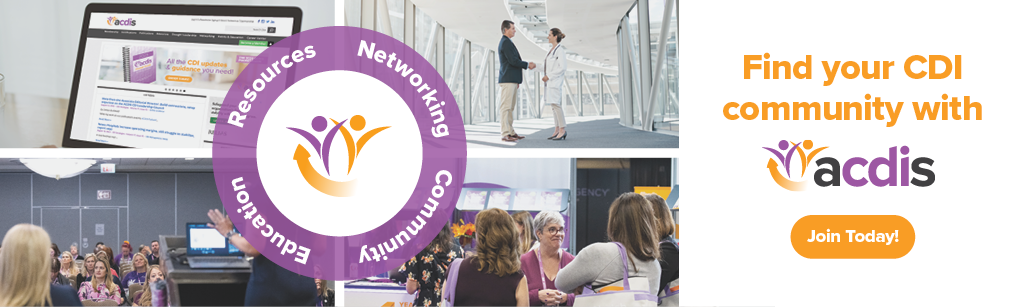
- This membership association was created especially for CDI professionals that brings together people of various backgrounds into one forum.
- Learn More...
Physician Practice
- Part B News
- Your Price: $699.00
- Add to Cart
- Get actionable, authoritative and operational guidance from Part B News, the leading industry information source for practice managers and physicians. Click to view a sample issue
- Learn More...